
Dental Implants: A Complete Guide to Replacing Missing Teeth
Missing teeth affect far more than your smile. They can change how you eat, speak, and feel about yourself. Dental Implants are one of the most reliable solutions available today. They replace both the root and crown of a missing tooth. At Cloud Dental, our dental team believes every patient deserves clear, honest information. This guide covers how implants work, who they help, and what the process involves.
What Are Dental Implants?
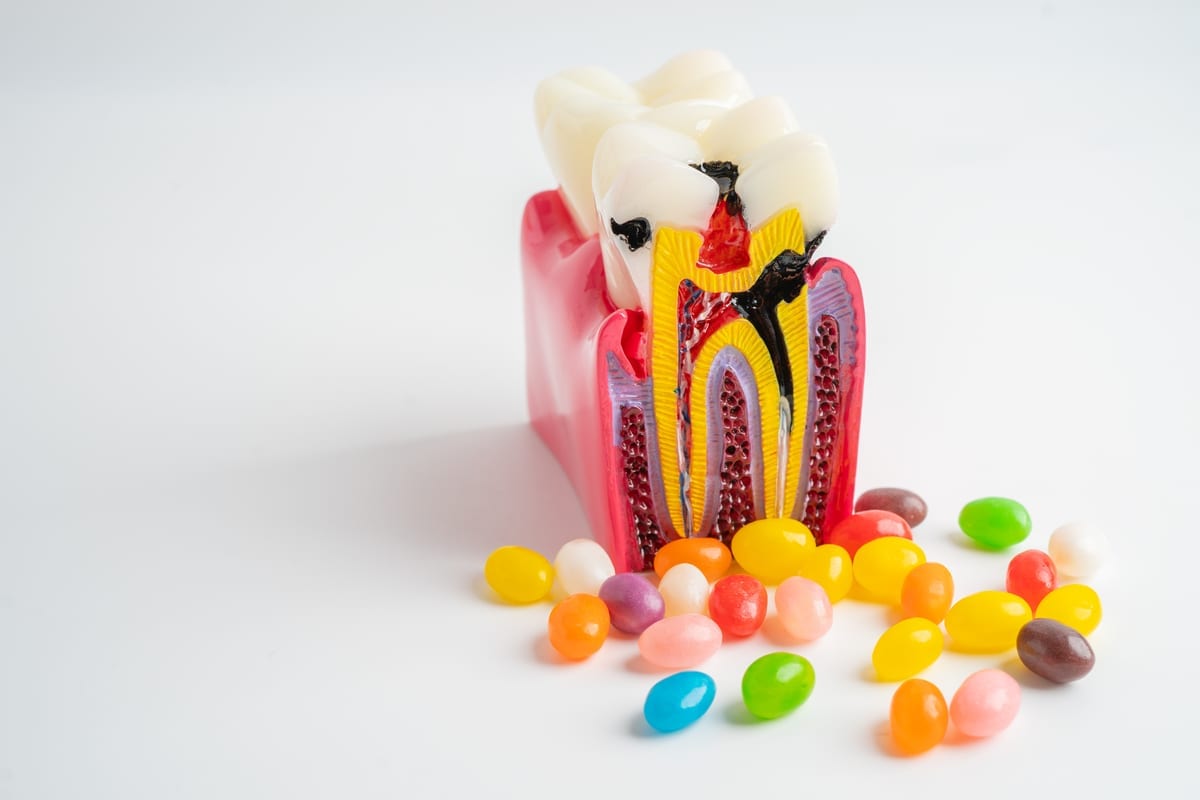
Dental Implants are small titanium posts surgically placed into the jawbone. They act as artificial tooth roots. Over time, the bone fuses with the titanium in a process called osseointegration. This creates a stable foundation for a replacement tooth. Unlike removable dentures, implants stay fixed in your mouth. They feel and function much like natural teeth. Most patients find them far more comfortable than other tooth-replacement options.
Each implant system has three main parts. First, the titanium post goes into the jaw. Second, an abutment connects the post to the crown. Third, a dental crown sits on top and looks like a real tooth. Our dental team at Cloud Dental carefully selects crown materials to match your natural teeth. The result is a seamless, natural-looking smile. Learn more about our full range of solutions on our services page.
Why Do People Choose Dental Implants?
There are several strong reasons to consider implants over other options. They preserve jawbone density, which naturally declines after tooth loss. They do not rely on neighboring teeth for support, unlike dental bridges. This protects the healthy teeth around the gap. Implants also make eating easier and more comfortable. You can bite into most foods without worry. Many patients report improved confidence after completing their implant treatment.
Implants are also very durable. With proper care, they can last many decades. In some cases, they last a lifetime. Traditional dentures may need replacement or adjustment every five to ten years. Implants rarely require that kind of ongoing maintenance. Brushing, flossing, and routine dental visits are usually all that is needed. This makes them a practical long-term investment in your oral health.
Who Is a Good Candidate for Dental Implants?
Not everyone is automatically eligible for implants. A good candidate has healthy gums and enough jawbone to support the post. Bone loss from prolonged tooth absence can sometimes complicate placement. In those cases, a bone graft may be recommended first. Good general health also matters. Certain conditions like uncontrolled diabetes may affect healing. Our dental team reviews each patient’s full health history before recommending treatment.
Age is another factor. Most dentists recommend waiting until jaw development is complete. This typically means late teens or early adulthood for younger patients. Older adults are generally excellent candidates. Smoking can slow healing and reduce implant success rates. Patients who smoke are encouraged to reduce or quit before starting treatment. A thorough evaluation helps determine the safest and most effective plan for each individual.
What Does the Dental Implant Process Look Like?
The implant process takes place over several appointments. It begins with a detailed consultation and imaging. X-rays or 3D scans help map the jawbone precisely. From there, a customized treatment plan is created. The surgical placement of the titanium post comes next. This is typically done under local anesthesia. Most patients experience only mild discomfort during recovery.
After placement, the healing phase begins. Osseointegration usually takes three to six months. During this time, the bone gradually bonds with the implant post. Once healing is confirmed, the abutment is attached. Finally, the custom crown is placed on top. The entire process may take six months to over a year. Patients who need bone grafting may require additional time. Our dental team guides you through each phase clearly and carefully.
How to Care for Your Dental Implants
Caring for implants is straightforward. Brush twice daily with a soft-bristled toothbrush. Floss around the implant carefully every day. Use a non-abrasive toothpaste to avoid scratching the crown surface. An antibacterial mouthwash can help keep gum tissue healthy. Routine professional cleanings are just as important as home care. Our dental team checks the implant and surrounding tissue at every visit.
Avoid habits that can stress the implant. Chewing on ice or hard objects can damage the crown. Grinding your teeth at night may also cause problems. A custom night guard can protect both implants and natural teeth. If you notice any looseness, swelling, or discomfort, contact us promptly. Early attention to any issue helps protect your long-term results. Reach out to our team if you have any concerns after your procedure.
Dental Implants and Your Overall Oral Health
Implants do more than fill a gap. They actively support your overall oral health. When a tooth is lost, the jawbone in that area begins to shrink. This is called bone resorption. An implant stimulates the bone just like a natural root does. This helps maintain facial structure over time. Patients who choose implants early often avoid more significant bone loss later.
Healthy adjacent teeth also benefit. Without a root replacement, neighboring teeth can drift toward the gap. This shifts your bite and may lead to additional dental problems. Implants hold that space firmly. They also make it easier to maintain good hygiene around surrounding teeth. For families exploring long-term dental health strategies, our team at Cloud Dental is happy to discuss all available options. Comprehensive care starts with understanding the full picture of your oral health.
Frequently Asked Questions
How long do Dental Implants last?
With proper care and regular dental visits, implants can last many decades. Some patients keep their implants for a lifetime. The crown on top may eventually need replacement after 15 to 25 years, depending on wear.
Is the implant surgery painful?
Most patients are surprised by how manageable the procedure feels. Local anesthesia is used during placement. Mild soreness and swelling after surgery are normal and typically resolve within a few days. Over-the-counter pain relief is usually sufficient.
Can a dental implant fail?
Implant failure is uncommon but possible. Poor bone density, smoking, and certain health conditions can increase risk. Signs of a problem include persistent pain, swelling, or implant movement. Contact your dental provider immediately if any of these occur.
How do I know if I have enough bone for an implant?
A dental professional will take X-rays or 3D scans to assess your bone volume. If bone loss has occurred, a bone graft procedure can often restore enough density for successful implant placement.
Are Dental Implants suitable for teenagers?
Generally, implants are not placed until jaw development is fully complete. This is usually around age 18 for most patients. A dental evaluation can determine the appropriate timing based on individual growth and development.