
Dental Crowns Austin: Your Top Questions Answered
Dental crowns are one of the most common restorative treatments in modern dentistry. If you’re considering dental crowns in Austin, you likely have questions about the process, timeline, and results. Dr. Hooman Samani at Cloud Dental answers the most frequently asked questions to help you make an informed decision about your oral health.
Understanding what to expect before your appointment can ease anxiety and help you prepare. This comprehensive FAQ guide walks you through everything from the initial consultation to long-term care. Let’s dive into the answers you need.
What Exactly Is a Dental Crown?
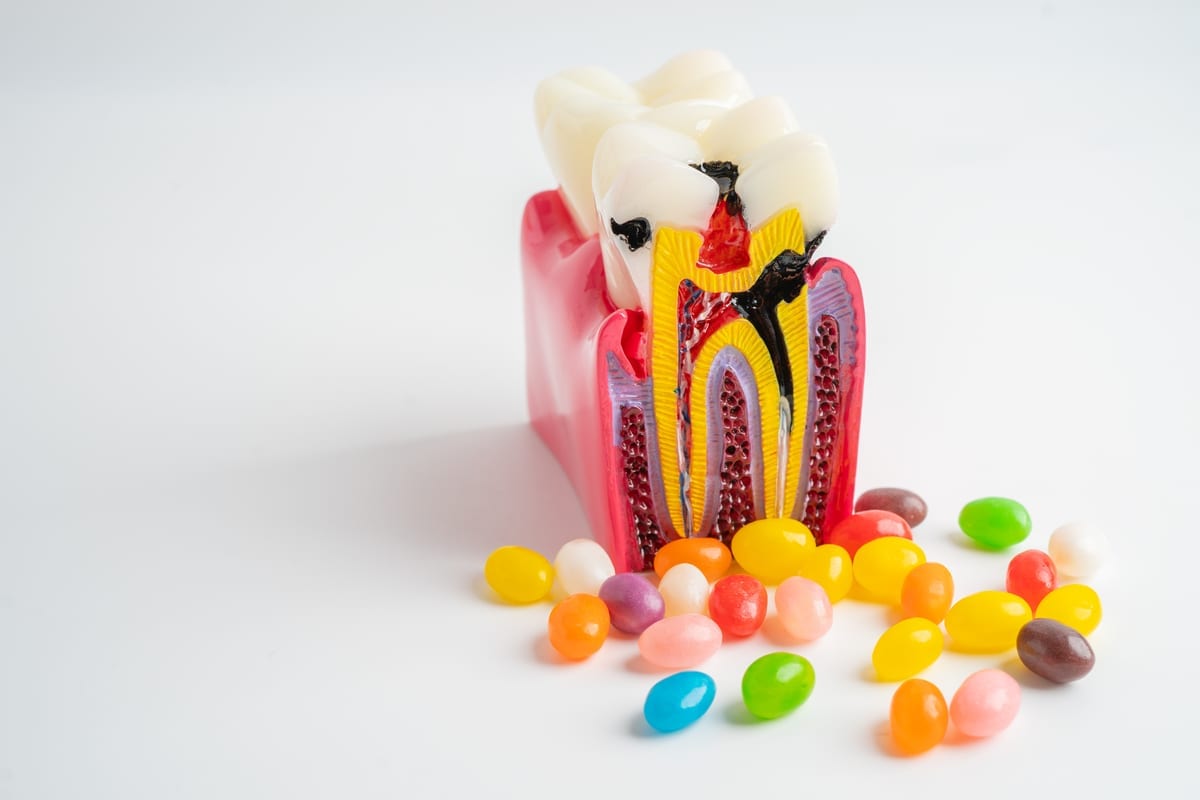
A dental crown is a custom-made cap that covers a damaged or weakened tooth. It restores the tooth’s shape, size, strength, and appearance. Crowns protect teeth that have undergone root canal treatment, have large fillings, or are cracked or broken.
The crown fits over the entire visible portion of the tooth above the gum line. It’s cemented into place and becomes a permanent part of your smile. Modern crowns can be made from porcelain, ceramic, metal alloys, or a combination of materials.
At Cloud Dental, Dr. Samani helps patients choose the right crown material based on the tooth’s location and function. Front teeth typically receive porcelain or ceramic crowns for a natural appearance. Back teeth may benefit from stronger materials that can withstand chewing forces.
How Long Does the Dental Crown Process Actually Take?
The traditional crown process typically requires two visits spread over two to three weeks. During your first appointment, Dr. Samani prepares the tooth by removing damaged structure and reshaping it. He then takes impressions that the dental lab uses to create your custom crown.
You’ll receive a temporary crown to protect the prepared tooth while the permanent one is being made. This temporary restoration allows you to eat and speak normally. Most patients wear their temporary crown for about two weeks.
Your second visit involves removing the temporary crown and fitting the permanent one. Dr. Samani checks the fit, bite, and color before cementing it permanently. This appointment usually takes about an hour.
Some practices now offer same-day crowns using advanced technology. These appointments can be completed in a single visit lasting two to three hours. Contact our team to learn which option works best for your schedule.
Will Getting a Dental Crown Hurt?
The crown preparation process itself is not painful because Dr. Samani uses local anesthesia to numb the area completely. You’ll feel pressure during the tooth preparation, but you shouldn’t experience pain. Most patients report feeling comfortable throughout the procedure.
After the anesthesia wears off, some sensitivity is normal for a few days. This typically feels like mild discomfort when biting down or consuming hot and cold foods. Over-the-counter pain relievers usually manage any post-procedure tenderness effectively.
If you’ve had a root canal before receiving your crown, you won’t have sensitivity issues at all. The tooth no longer contains nerves that register temperature or pressure. Many patients find crown placement after root canal therapy to be one of the most comfortable dental procedures.
Any significant pain after crown placement is unusual and should be reported to our office. Dr. Samani can adjust the crown’s height or check for other issues causing discomfort.
How Much Do Dental Crowns Cost in Austin?
The cost of dental crowns in Austin varies based on several factors. Crown material significantly impacts the price, with porcelain and ceramic crowns typically costing more than metal options. The tooth’s location and the complexity of your case also affect the final cost.
Additional procedures may be necessary before crown placement. Some teeth require core buildups to provide enough structure for the crown to attach. Others may need root canal therapy if decay has reached the nerve.
At Cloud Dental, we provide detailed treatment estimates before beginning any work. Dr. Samani reviews all necessary procedures and associated costs during your consultation. This transparency helps you plan and make informed decisions about your dental care.
Many patients find that investing in a quality crown prevents more expensive treatments later. A well-placed crown can last 15 years or more with proper care. This longevity makes crowns one of the most cost-effective restorative options available.
Can I Eat Normally With a Dental Crown?
Once your permanent crown is cemented in place, you can eat almost anything you normally would. The crown functions just like a natural tooth. Most patients forget which tooth has the crown within a few weeks of placement.
You should avoid extremely hard foods that could crack or chip the crown. Ice, hard candy, popcorn kernels, and nutshells pose risks to both crowns and natural teeth. Using your teeth as tools to open packages or crack nuts can also damage crowns.
With your temporary crown, you’ll need to be more careful. Avoid sticky foods like caramel and taffy that could pull the temporary crown off. Chew on the opposite side when possible to protect the temporary restoration.
Austin’s food scene offers incredible variety, from barbecue to tacos to food truck fare. Your permanent crown lets you enjoy all these local favorites without worry. Just maintain reasonable caution with exceptionally hard or sticky items.
How Long Do Dental Crowns Last?
Most dental crowns last between 10 and 15 years with proper care. Some crowns last much longer, especially when patients maintain excellent oral hygiene. The longevity depends on the crown material, tooth location, and your daily habits.
Back teeth experience more chewing force than front teeth. Crowns on molars may wear faster than those on incisors. Grinding or clenching your teeth can also shorten a crown’s lifespan significantly.
Dr. Samani may recommend a nightguard if you grind your teeth. This protective appliance prevents excessive wear on both crowns and natural teeth. Many patients find nightguards especially helpful during stressful periods like graduation season and major life transitions.
Regular dental checkups help maximize your crown’s longevity. Dr. Samani examines your crown at each visit to catch small issues before they become major problems. Professional cleanings remove buildup that could compromise the crown’s margin where it meets your natural tooth.
What Happens If My Crown Falls Off?
Crown loss is uncommon but can happen if the cement weakens or the tooth underneath decays. If your crown comes off, keep it safe and call Cloud Dental immediately. Don’t try to reattach it yourself with household glue or adhesive.
You can temporarily place the crown back on the tooth using dental cement or denture adhesive from a pharmacy. This is only a short-term solution until Dr. Samani can properly recement it. Avoid chewing on that side and don’t eat sticky foods.
Sometimes crowns can’t be recemented if decay has developed underneath. In these cases, Dr. Samani will treat any decay and make a new crown. This protects your tooth and prevents further damage.
The exposed tooth may feel sensitive after crown loss. Avoid extreme temperatures and stick to soft foods. Most patients can be seen quickly for crown recementation, often the same day you call.
Do Dental Crowns Look Natural?
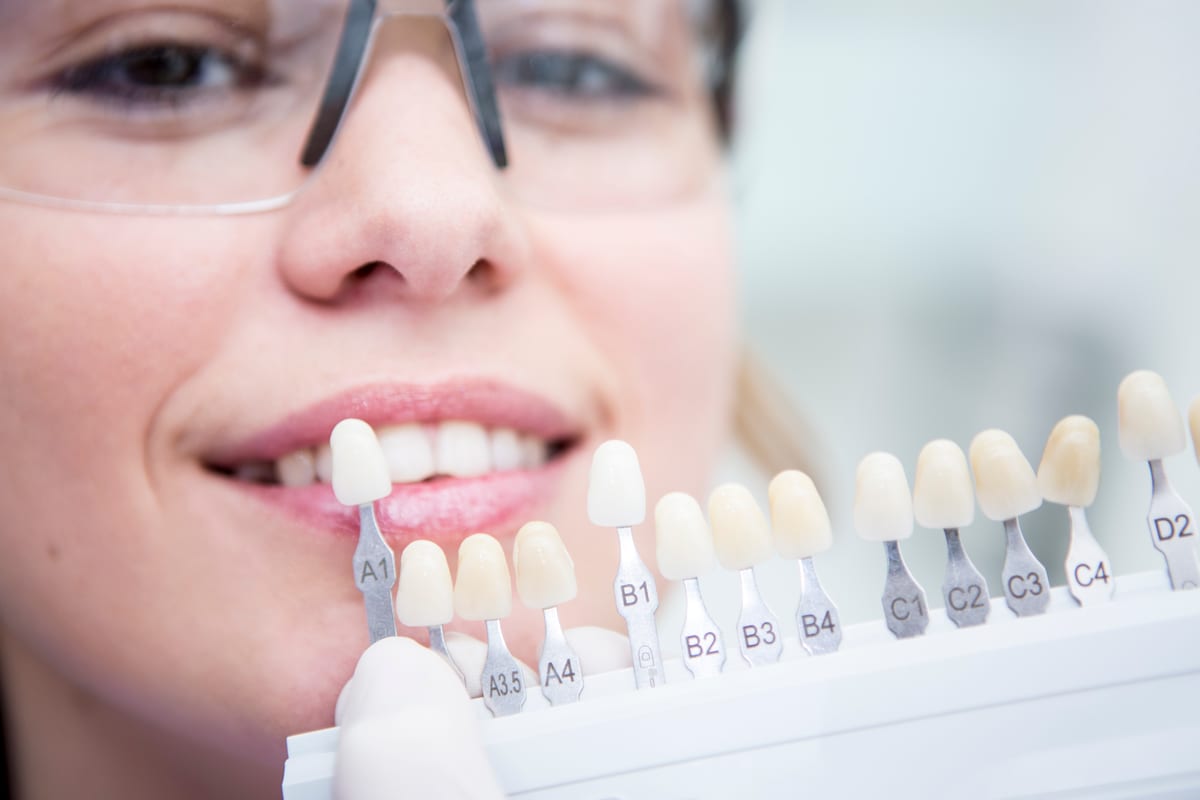
Modern dental crowns look remarkably natural, especially those made from porcelain or ceramic. Dr. Samani carefully matches the crown’s color to your surrounding teeth. The shape and translucency are customized to blend seamlessly with your smile.
Front tooth crowns receive extra attention to aesthetic details. The color varies slightly from the biting edge to the gum line, just like natural teeth. This gradient creates a lifelike appearance that’s virtually undetectable.
Your input matters during the crown design process. Dr. Samani considers your preferences regarding tooth shape and shade. Some patients want their crowns to match existing teeth perfectly, while others use the opportunity to brighten their smile.
With graduation photos and Mother’s Day celebrations happening this time of year, many Austin patients choose spring for smile improvements. A well-crafted crown enhances your appearance while restoring function. Explore our services to learn about complementary treatments that can further improve your smile.
How Do I Care for My Dental Crown?
Crown care is remarkably simple because you treat it exactly like a natural tooth. Brush twice daily with fluoride toothpaste and floss once a day. Pay special attention to the area where the crown meets your gum line.
Flossing around crowns prevents decay from developing at the margin. This boundary between crown and tooth is vulnerable to bacterial buildup. Gentle, consistent flossing protects both the crown and the underlying tooth structure.
Regular professional cleanings are essential for crown longevity. Hygienists remove hardened plaque that brushing and flossing miss. They also check for early signs of problems around the crown’s edges.
Austin’s hot, humid climate means staying hydrated is crucial for oral health. Dry mouth increases cavity risk around crowns and natural teeth alike. Drink plenty of water throughout the day, especially during our warm late spring weather. This simple habit protects your entire smile.
Frequently Asked Questions
Can dental crowns get cavities?
The crown material itself cannot decay, but the natural tooth underneath can develop cavities. This happens when bacteria accumulate at the crown’s margin where it meets the tooth. Proper brushing and flossing prevent decay from forming around crown edges. Regular checkups allow Dr. Samani to detect any early signs of problems and address them promptly.
Will my dental crown stain like natural teeth?
Porcelain and ceramic crowns are highly stain-resistant and maintain their color over time. They don’t absorb stains from coffee, tea, or wine the way natural tooth enamel can. However, the cement line where the crown meets your tooth may discolora slightly over many years. Professional cleanings help maintain the crown’s appearance and remove any surface discoloration.
Can I whiten my teeth if I have a dental crown?
Teeth whitening treatments do not change the color of dental crowns, veneers, or fillings. Only natural tooth enamel responds to whitening agents. If you’re considering both crowns and whitening, Dr. Samani typically recommends whitening your natural teeth first. The crown is then made to match your newly brightened smile, ensuring a uniform appearance.
What’s the difference between a crown and a veneer?
A crown covers the entire tooth, while a veneer only covers the front surface. Crowns are used when a tooth needs structural support or significant restoration. Veneers are primarily cosmetic and work best on healthy teeth that need only aesthetic improvement. Dr. Samani evaluates your specific situation to recommend the most appropriate treatment for your needs.
Choosing the right restorative treatment affects both your oral health and your confidence. Dr. Hooman Samani and the team at Cloud Dental combine advanced techniques with personalized care to deliver results that look natural and last for years. Whether you need a single crown or multiple restorations, you’ll receive expert guidance throughout the process. Learn More about how we can help you achieve optimal oral health and a beautiful smile.