
Teeth whitening is one of the most popular ways to brighten your smile. But many patients in Austin are surprised by the sensitivity that follows a whitening treatment. Understanding why teeth whitening sensitivity happens and how to stop it in Austin can help you enjoy a whiter smile without unnecessary discomfort. At Cloud Dental, Dr. Hooman Samani helps patients get great results while keeping sensitivity to a minimum.
Why Whitening Sensitivity Happens in the First Place
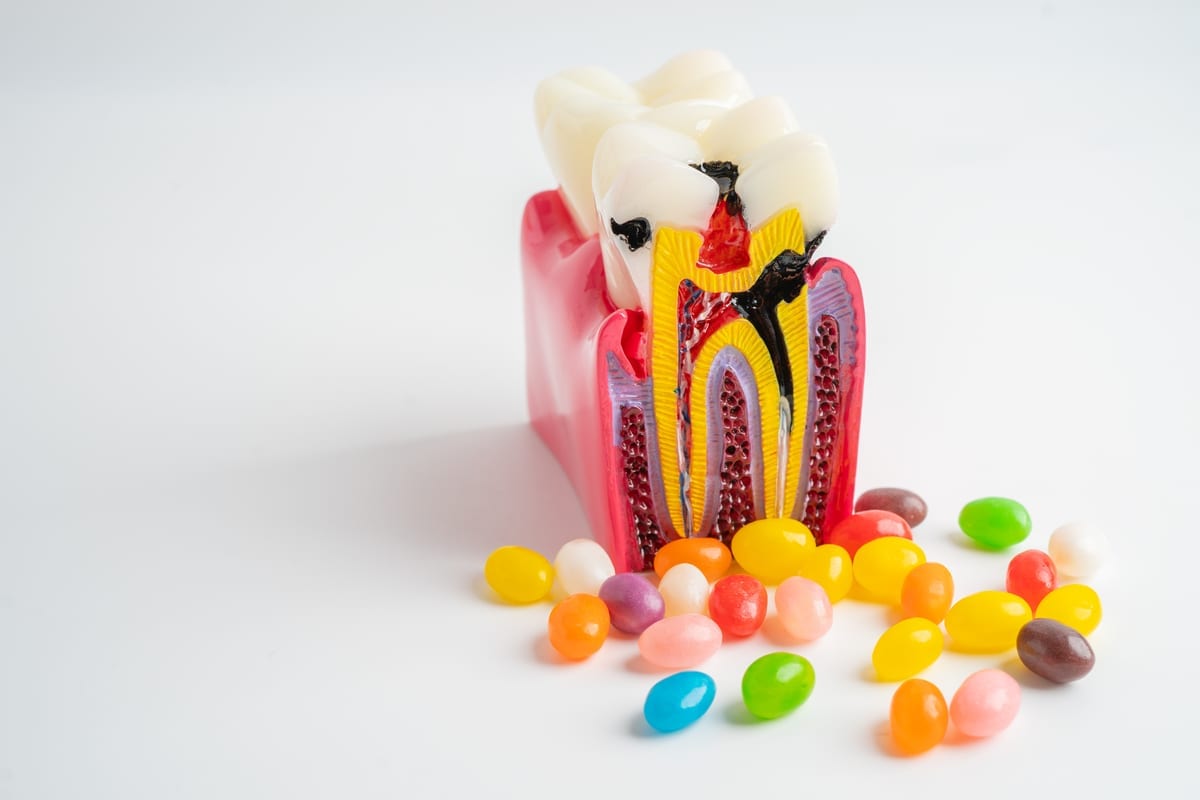
Tooth sensitivity during whitening is very common. It happens because the whitening agents — usually hydrogen peroxide or carbamide peroxide — temporarily open microscopic pores in your enamel. These pores expose the inner layer of your tooth, called dentin, which connects directly to your nerve endings.
When dentin is exposed, temperature changes and certain foods can trigger sharp, brief pain. This does not mean your teeth are damaged. It simply means the whitening process is working on a sensitive surface.
Some patients are naturally more prone to this reaction. Thin enamel, existing gum recession, or untreated cavities all increase sensitivity risk. That is why a professional evaluation before whitening is so important.
How Dentists in Austin Minimize Whitening Sensitivity
Professional whitening treatments are designed with sensitivity in mind. Dr. Samani at Cloud Dental customizes every whitening plan to match your unique dental needs. This means using the right concentration of whitening gel for your specific enamel thickness and sensitivity level.
One key advantage of professional treatment is access to desensitizing agents. These are applied before or after the whitening gel to calm nerve activity. Over-the-counter products rarely include this step, which is why professional results tend to be more comfortable.
Custom-fitted whitening trays also play a big role. Trays that fit precisely prevent the gel from leaking onto your gums. Gum irritation is a major cause of post-whitening discomfort, and well-fitted trays greatly reduce that risk.
Patients who experience sensitivity as part of a broader dental concern may also benefit from Emergency Dentistry Austin services if discomfort becomes sudden or severe after a procedure.
What You Can Do at Home to Reduce Sensitivity
There are several simple steps you can take at home to manage whitening sensitivity. Following these tips can make a significant difference in your comfort level before, during, and after treatment.
- Use a toothpaste formulated for sensitive teeth at least one week before whitening
- Avoid very hot or very cold foods and drinks for 48 hours after treatment
- Take an over-the-counter pain reliever like ibuprofen if sensitivity is bothersome
- Brush gently with a soft-bristled toothbrush to avoid further enamel irritation
- Apply a small amount of whitening gel less frequently if you are doing at-home trays
- Avoid acidic foods and drinks like citrus, coffee, or wine right after whitening
These steps do not require any special products or prescriptions. Small habit changes around your whitening schedule can protect your teeth and reduce pain significantly.
If sensitivity persists beyond a few days, that is a signal to contact your dentist. Lingering discomfort may indicate an underlying issue that needs professional attention.
Professional Whitening vs. Store-Bought Kits: A Sensitivity Comparison
Many Austin residents try drugstore whitening strips before visiting a dentist. These products can work, but they come with a higher sensitivity risk for several reasons.
- Store-bought strips contain a one-size-fits-all gel concentration
- They do not account for individual enamel thickness or existing sensitivity
- They lack professional desensitizing steps before or after treatment
- Generic trays often allow gel to contact the gums, causing irritation
- Results may require longer application times, increasing exposure risk
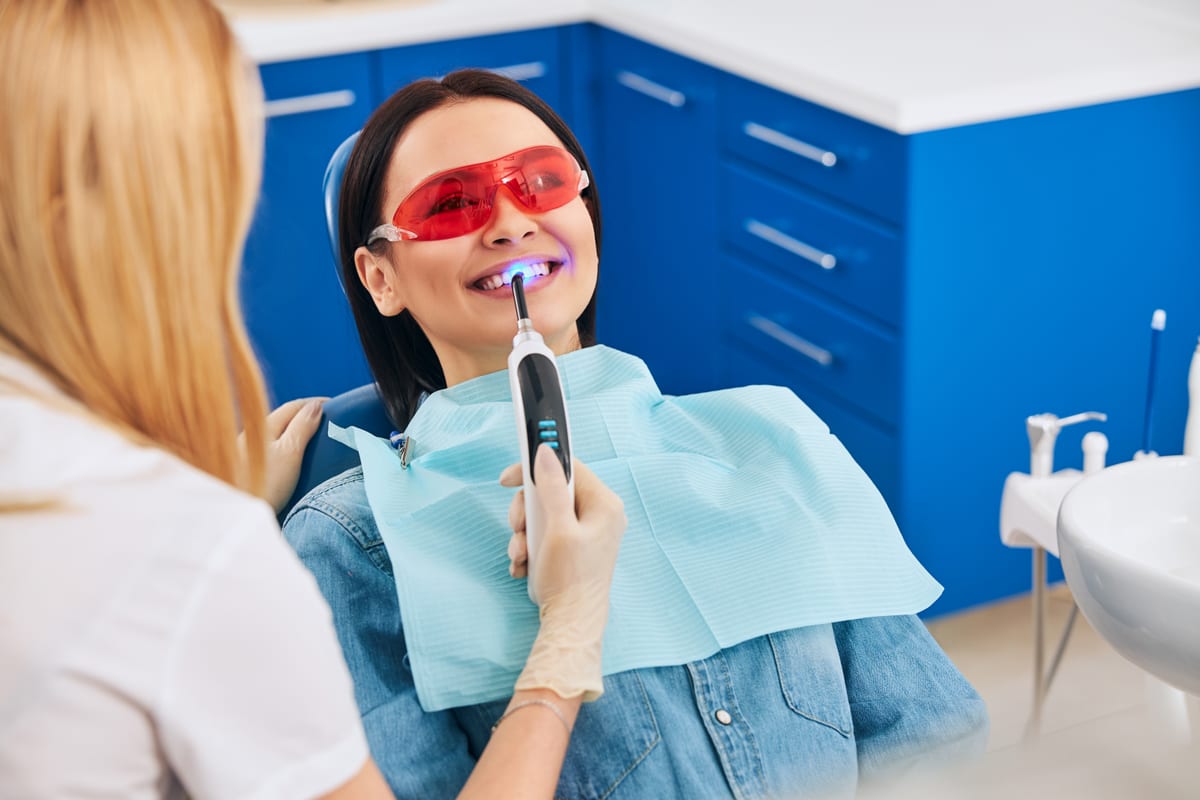
Professional whitening at Cloud Dental delivers better results in less time. The controlled environment means Dr. Samani can monitor your response and adjust the process as needed. This level of care simply is not available in a store-bought kit.
Whitening is just one part of a comprehensive approach to your smile. If you are curious about other ways to enhance your appearance, explore what Cosmetic Dentistry Austin can offer beyond just whitening treatments.
When to See a Dentist Before Whitening
Not every patient is an ideal candidate for whitening right away. Certain dental conditions need to be addressed first to avoid making sensitivity worse. Dr. Samani always recommends a dental exam before starting any whitening treatment.
Cavities, cracked teeth, or exposed roots can make whitening extremely uncomfortable. Treating these issues first protects your teeth and sets the stage for a more successful result. Whitening on top of untreated decay can drive the bleaching agent deeper into the tooth, increasing pain significantly.
Patients with gum disease should also get treatment before whitening. Inflamed gums are far more reactive to whitening agents. Addressing gum health first ensures your entire mouth is ready for the process.
A quick consultation with Dr. Samani can identify any concerns and help you create a safe, effective whitening plan tailored to your needs in Austin.
Conclusion: A Brighter Smile Without the Pain
Whitening sensitivity is common, but it does not have to hold you back from achieving a brighter smile. Understanding why teeth whitening sensitivity happens and how to stop it in Austin puts you in control of your experience. With the right preparation, professional guidance, and at-home habits, discomfort can be significantly reduced or avoided entirely.
Dr. Hooman Samani and the team at Cloud Dental are committed to making your whitening experience as comfortable and effective as possible. Every treatment plan is personalized to your dental health and smile goals. Book Now to schedule your appointment with our team.
Frequently Asked Questions
Is teeth whitening sensitivity permanent?
No, teeth whitening sensitivity is almost always temporary. Most patients notice it resolves within 24 to 72 hours after treatment. If sensitivity lasts longer than a few days, contact your dentist to rule out any underlying dental issues.
Can I whiten my teeth if I already have sensitive teeth?
Yes, but you should consult a dentist first. Dr. Samani can evaluate your enamel and gum health to determine the safest approach. Using a lower concentration gel and desensitizing agents can make whitening manageable even for sensitive patients.
How often can I safely whiten my teeth?
Most dental professionals recommend whitening no more than once or twice per year for in-office treatments. More frequent whitening can erode enamel over time and increase sensitivity. Your dentist can help you create a maintenance schedule that protects your long-term dental health.
Does whitening toothpaste cause the same sensitivity?
Whitening toothpastes use mild abrasives rather than peroxide bleaching agents. They typically cause less sensitivity than gel-based treatments. However, using them too aggressively or too frequently can still irritate enamel and gums.
What is the difference between professional and at-home whitening for sensitivity?
Professional whitening at Cloud Dental uses custom trays and controlled gel concentrations to minimize sensitivity. Desensitizing treatments are also applied as part of the process. At-home store-bought kits lack this personalization, which often leads to greater irritation and less predictable results.