
Loss of teeth can impact more than the aesthetics of a smile. It can affect how a person eats, speaks, and feels in everyday situations. For many grown-ups, lost teeth pose small but noticeable challenges that gradually affect daily life. There are many treatment options in modern restorative dentistry to address tooth loss. However, dental implants have been gaining popularity for their stability and longevity.
In cities like Austin, folks stay active and enjoy socializing. Whether spending weekends in Zilker Park, frequenting live music shows downtown, or visiting restaurants and food trucks, a comfortable, trustworthy smile is important. As a result, more people are discovering modern tooth replacement solutions that improve oral health and confidence in daily life. In this blog, you will learn why more and more Austin residents are exploring dental implants as a lasting solution.
A Traditional Solution for Missing Teeth
Many people start researching long-lasting solutions to replace a tooth after losing one due to decay, trauma, or gum disease. Dental implants have gained attention as a treatment option among the numerous procedures since they address the loss of both the visible portion of a tooth and the supporting root structures.
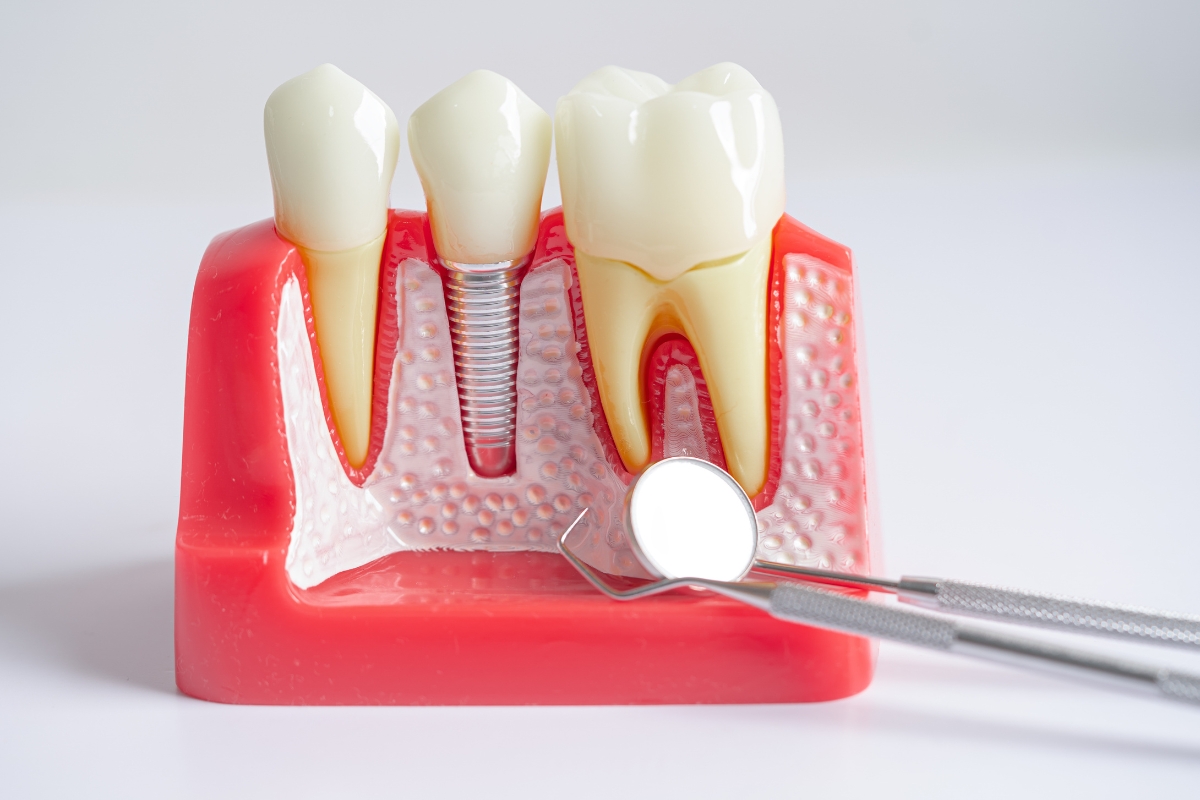
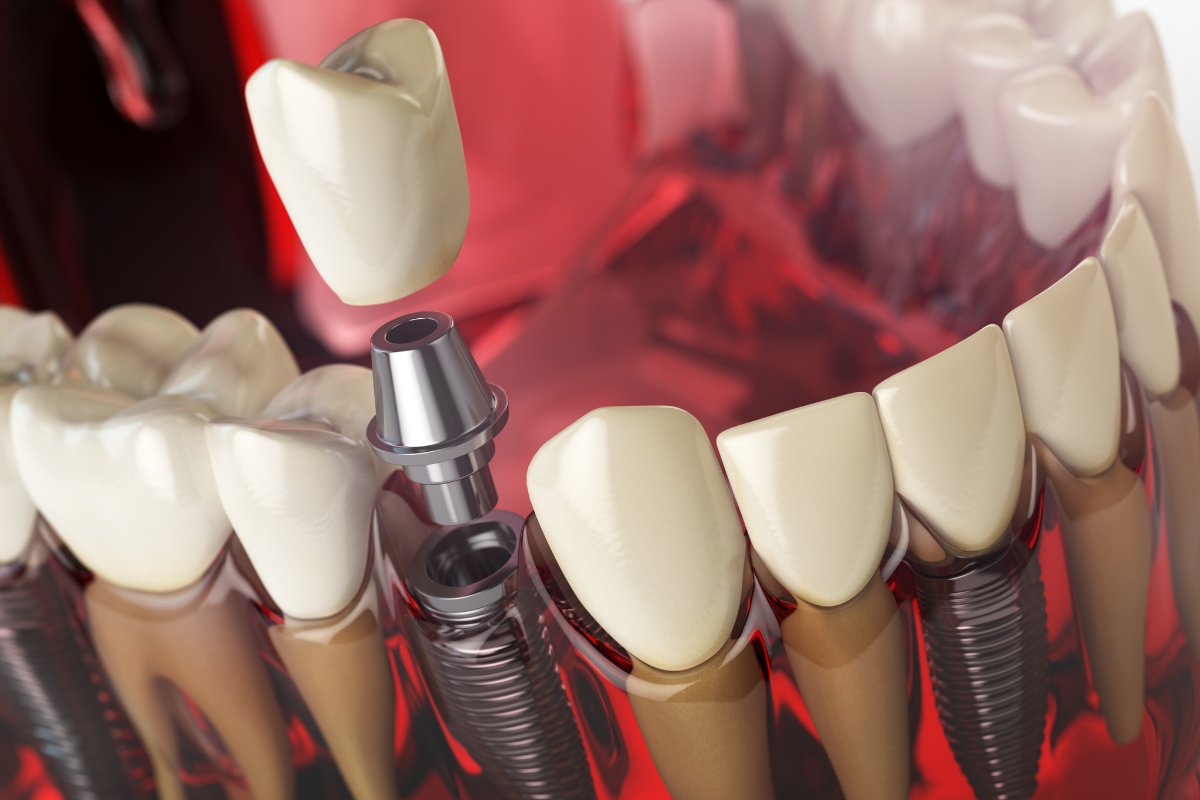
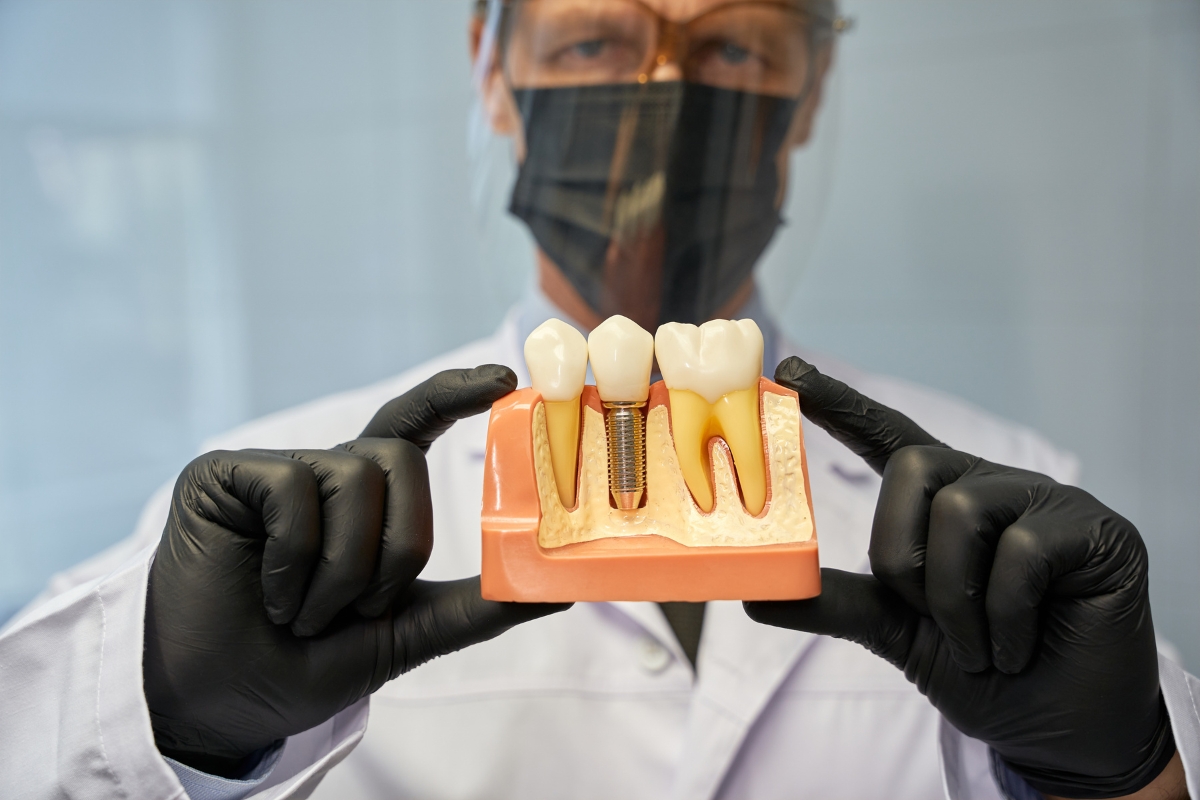
Unlike traditional restorations that sit on the gumline or are supported by adjacent teeth, dental implants in Austin insert a small titanium post into the jawbone. The bone eventually merges with the implant and serves as a stable base for the crown. An implant dentist assesses patients to see if the treatment is appropriate for them. When indicated, the surgery can restore chewing function and preserve the jawbone.
Restoring the Natural Function of Teeth
One popular reason many patients seek implant-supported restorations is their ability to act like natural teeth. Once the implant is integrated into the jawbone and the corresponding crown is placed, patients typically regain comfortable biting and chewing functionality. These are stable enough to give people the flexibility to eat a broader spectrum of foods without fear of appliances doing the tango.
For residents who like the vibrancy of eating out in Austin, from food trucks on South Congress to local barbecue joints, being able to eat comfortably is a huge part of everyday life.
Key functional advantages include:
- Tight anchoring in the jawbone
- Natural biting and chewing ability
- Improved speech clarity
- Structural support of the jaw for a long period
- A strong safeguard against the shift in adjacent teeth
Since the restoration emulates a natural tooth root, it also supports overall oral functionality, rather than simply replacing the aesthetic portion of missing teeth.
Preserving Jawbone Health
After a tooth is lost, the jawbone around it may begin to shrink over time due to a lack of stimulation there. Over the years, this bone loss can change facial structure and the stability of adjacent teeth.
Restorations with an implant help bypass that issue by replacing the root with a titanium post. As patients chew and speak, the implant stimulates the bone and helps keep its structure.
For people who lead an active lifestyle, whether by cycling around the Ann and Roy Butler Hike-and-Bike Trail or attending local outdoor events year-round, maintaining routine oral health can lead to long-term comfort and function.
One major reason many clinicians recommend implant-supported solutions where possible is to preserve bone.
A Natural Appearance That Goes with Your Smile
The appearance of this type of treatment is another reason for its popularity. Today’s restorations are designed to closely match the color, shape, and contour of surrounding teeth.
The final crown is designed to harmonize with the rest of your smile. With proper placement and maintenance, implant-supported restorations often feel and look like natural teeth for most people.
This aesthetic bonus can have a particular impact in quotidian interactions, be it at neighborhood gatherings, meeting friends for coffee, or partaking in all of Austin’s social goings-on.
In addition, patients generally love that the restoration is a fixed prosthesis and that they can smile worry-free without movement.
Supporting Overall Oral Stability
The absence of teeth can lead to the shifting of adjacent teeth, affect bite alignment, and cause uneven pressure throughout the jaw. An implant-retained restoration can replace one or more lost teeth and help stabilize the adjacent structures. Restoring the gap helps to distribute chewing forces across the mouth more evenly.
Benefits associated with oral stability include:
- Preventing neighboring teeth from drifting
- Maintaining proper bite alignment
- Supporting balanced chewing pressure
- Preserving the integrity of adjacent teeth
This stability is crucial for maintaining long-term oral health and preventing complications arising from untreated spaces.
Advances in Implant Dentistry
Advances in technology have facilitated the planning and placement of implant-supported restorations. The use of digital imaging, modern diagnostic equipment, and careful treatment planning enables clinicians to assess bone architecture and determine the optimal position for implant placement. Such innovations enable predictable outcomes and patient comfort throughout treatment.
An implant dentist uses detailed imaging to evaluate bone density, surrounding structures, and overall oral health before recommending this route. Careful planning means that each step of the process reflects the patient’s needs. These advancements have made it more convenient and dependable for individuals seeking long-term solutions for missing teeth.
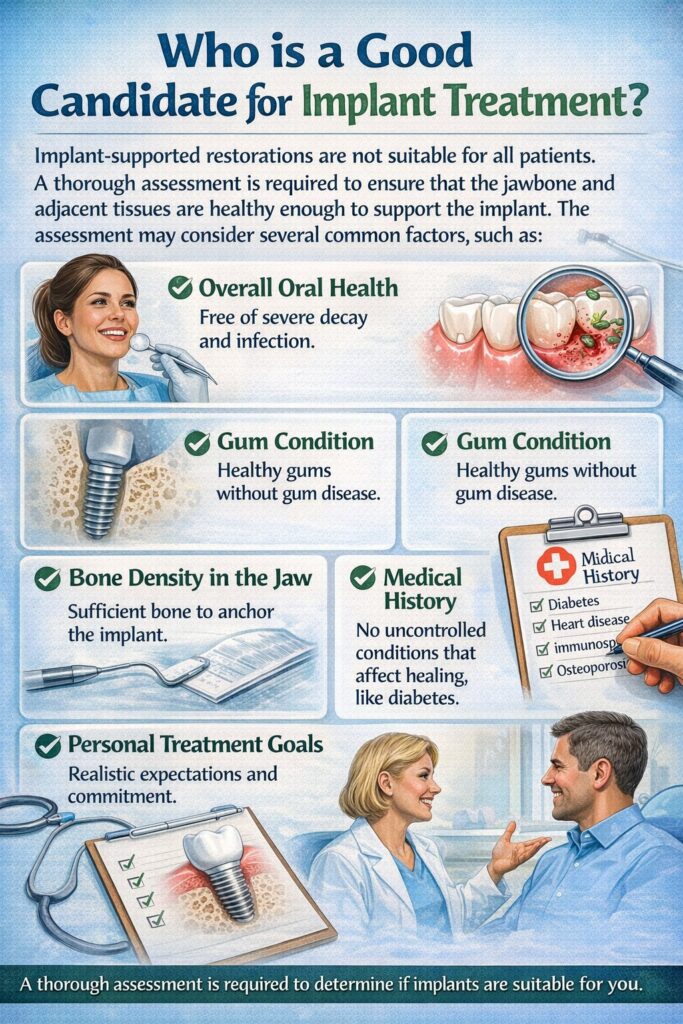
Who is a Good Candidate for Implant Treatment?
Implant-supported restorations are not suitable for all patients. A thorough assessment is required to ensure that the jawbone and adjacent tissues are healthy enough to support the implant. The assessment may consider several common factors, such as:
- Overall oral health
- Gum condition
- Bone density in the jaw
- Medical history
- Personal treatment goals
Good oral hygiene habits and healthy gum tissue are some of the factors that can make someone a strong candidate. Even with bone loss, additional techniques can sometimes make the site ready for the placement of an implant. A specialist determines the best course of treatment through consultation.
Why Many Residents Are Considering This Option
In a growing city where health and lifestyle are priorities for many people, restorative treatments that support long-term oral function often receive strong interest. People who live or spend time around Lady Bird Lake, enjoy listening to live music, and attend social gatherings are more likely to want healthy tooth replacement solutions that feel secure and natural.
No wonder many people seek further information about this treatment path on their oral wellness journey, with such stability, preservation of bone, and harmonious aesthetics in one package!
As awareness of the impact tooth loss can have on a person’s life grows, more individuals are realizing how modern restorative dentistry can replace lost teeth and support comfort with their daily activities.
A Step Toward a Stronger Smile
By learning about the available options for replacing missing teeth, patients can make better decisions about their oral health. Restore structural support, improve function, and restore a natural look for many people through implant-supported restorations.
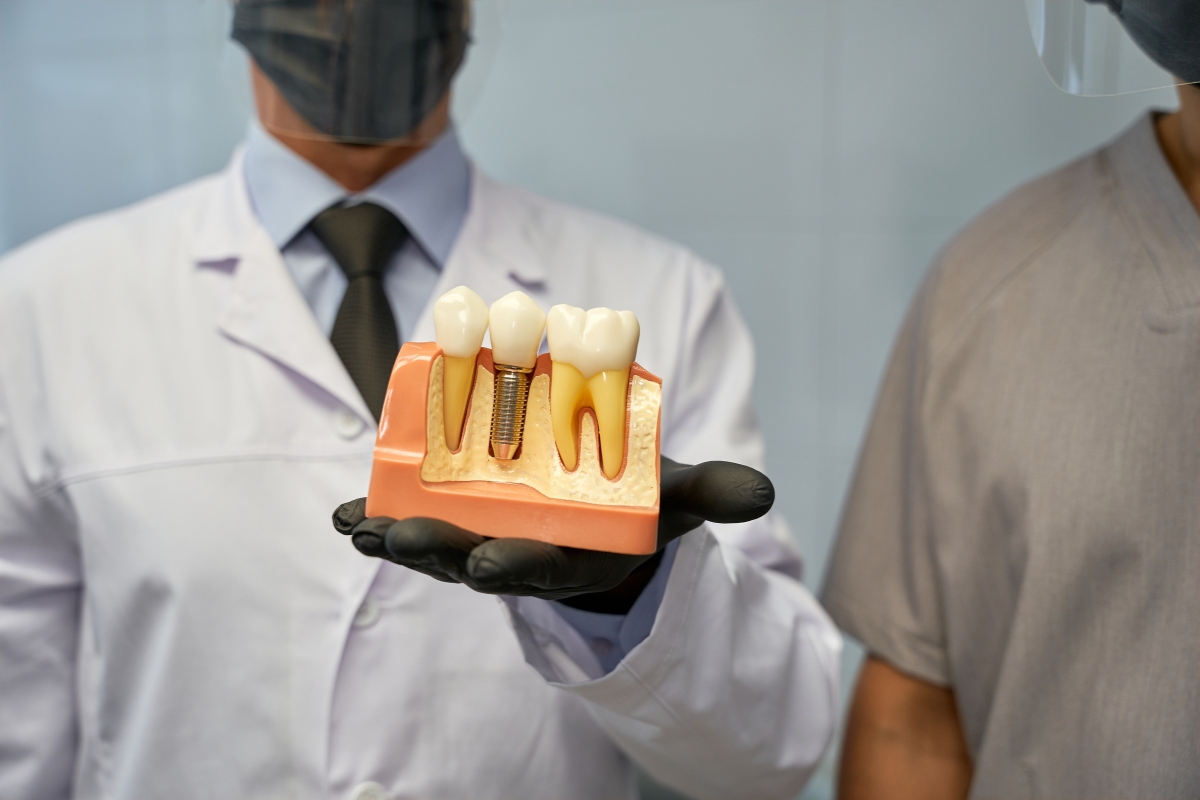
Our implant dentist at Cloud Dental will treat this problem on a case-by-case basis and advise patients to choose an appropriate treatment. For those wondering, call us to schedule a consultation to determine whether this solution meets your oral needs. This first step in replacing your lost teeth can enhance function, comfort, and confidence in daily life.
Questions People Ask About Dental Implants
How long does the dental implant process usually take?
The process typically occurs over several stages. After implant placement, the jawbone needs time to integrate with the titanium post. This healing phase may take a few months before the final crown is attached, ensuring the restoration has a stable and lasting foundation.
Is the implant procedure uncomfortable?
Most patients report that the procedure feels similar to other common dental treatments performed with local anesthesia. Mild soreness may occur afterward as the area heals. The dental team usually provides guidance on managing temporary discomfort while the implant integrates with the jawbone.
How do I care for an implant after treatment?
Caring for an implant-supported restoration is similar to caring for natural teeth. Daily brushing, flossing, and routine dental checkups help maintain gum health and the stability of the implant. Consistent oral hygiene practices play an important role in supporting long-term results.
Can implants replace more than one missing tooth?
Yes. Implant-supported restorations can replace a single tooth, multiple teeth, or even support full arches, depending on the patient’s needs. The treatment plan depends on the number of missing teeth, the condition of the jawbone, and the patient’s overall oral health.
What happens if a missing tooth is not replaced?
Leaving a gap may allow nearby teeth to drift, altering bite alignment. Over time, the jawbone in that area may also shrink due to a lack of stimulation. Replacing missing teeth helps maintain oral structure and supports balanced chewing function.
Are dental implants designed to look natural?
Modern implant crowns are designed to match the surrounding teeth in color, shape, and contour. When properly placed and maintained, they blend naturally with the smile and restore the appearance of the missing tooth without drawing attention to the restoration.